A significant disconnect exists between the reality of today’s IP communications and the security concerns and needs of the customer (read encrypted voip).
Trefor.net welcomes VoIP Week guest contributor Peter Cox, UM Labs Ltd. Founder and CEO.
One of UM Labs’ long-standing customers is using our product to provide encrypted VoIP connections from remote users (mostly home workers) and to encrypt calls they make and receive on their SIP trunk. Their motivation is simple: They are in the USA and their business makes it necessary for them to work closely with federal government, a connection that subjects them to security and compliance requirements. This customer’s view is that applying encryption to all VoIP calls — including those made and received on their SIP trunk — is an essential step towards meeting these requirements. Even if some SIP trunk calls are then relayed in clear text, as is the case for PSTN calls, the encryption applied on the connection to their trunk provider protects their network and ensures the confidentiality of SIP trunk calls on the connection between the service provider and their office. This effort demonstrates that they are taking all reasonable steps to secure the network connections under their own control and is thus a significant step towards meeting the compliance requirements.
Recently, our customer’s existing service provider announced that they were considering discontinuing encrypted SIP trunk connections, and being unable to find an alternative they asked me for some alternative service provider recommendations. I posted the question to the SIP Trunking & Enterprise VoIP LinkedIn group and received a number of helpful replies. My question also sparked some interesting discussion. A number of the participants gave spurious reasons why encryption was too difficult or not needed on a SIP trunk. What surprised me most was that representatives of two very large and well known telcos weighed in against encryption. One claimed that providing an encrypted SIP trunk connection was incompatible with legal intercept requirements, while the other tried to claim that since enterprises trust their data on “private” networks shouldn’t they trust their voice as well?
Addressing the claim that SIP trunk connections are not compatible with legal intercept requirements, I submit that when properly implemented and with the appropriate systems encrypted VoIP does not prevent legal intercept or call recording for compliance purposes. What it does stop is unauthorised call monitoring. The risk of unauthorised call monitoring is not confined to VoIP, as there is a significant risk to calls on cellular networks (see my recent blog at http://tinyurl.com/k38suu3). Encryption also has a role to play in controlling other threats, including call fraud.
Regarding the comment about enterprises trusting their data on private network connections to service providers, this I found even more surprising. I have spent many years in network security and this is the first time I have heard a connection to a 3rd party service provider classified as sufficiently private to trust for data transmission without some form or additional security. While connection to service providers may be more controlled than the open Internet, they are not private. Most enterprises will naturally want to protect their data with a VPN, so it makes sense to do the same for voice.
Part of the problem is that part of the telecoms industry is stuck in the past, back in the days when the phone companies owned and operated the networks. Things have moved on, and a significant proportion of all communications now runs on IP networks, much of it on the Internet. The move to IP has spawned new applications such as presence and IM and is the driving force behind convergence. The use of IP networks, and specifically the Internet for voice and UC, is a big step forward, but we must recognise that a different set of security rules apply. We have the knowledge and technology to address the security issues. Rather than finding reasons to avoid implementing VoIP and UC security technologies, the industry needs to embrace them and promote their implementation.
I won’t name the two telcos, but if you are interested in seeing them incriminate themselves you can follow the full LinkedIn discussion at http://tinyurl.com/ofdqgjy.
This is a VoIP week post on trefor.net. Check out other VoIP themed posts this week:
Why are major telcos afraid of encrypted VoIP? by Peter Cox
Emergency calls and VoIP by Peter Farmer
VoIP, the Bible and own brand chips by Simon Woodhead
Why the desktop VoIP telephone isn’t going away by Jeff Rodman
Small business VoIP setup by Trefor Davies
VoIP fraud-technological-conventionality-achieved by Colin Duffy





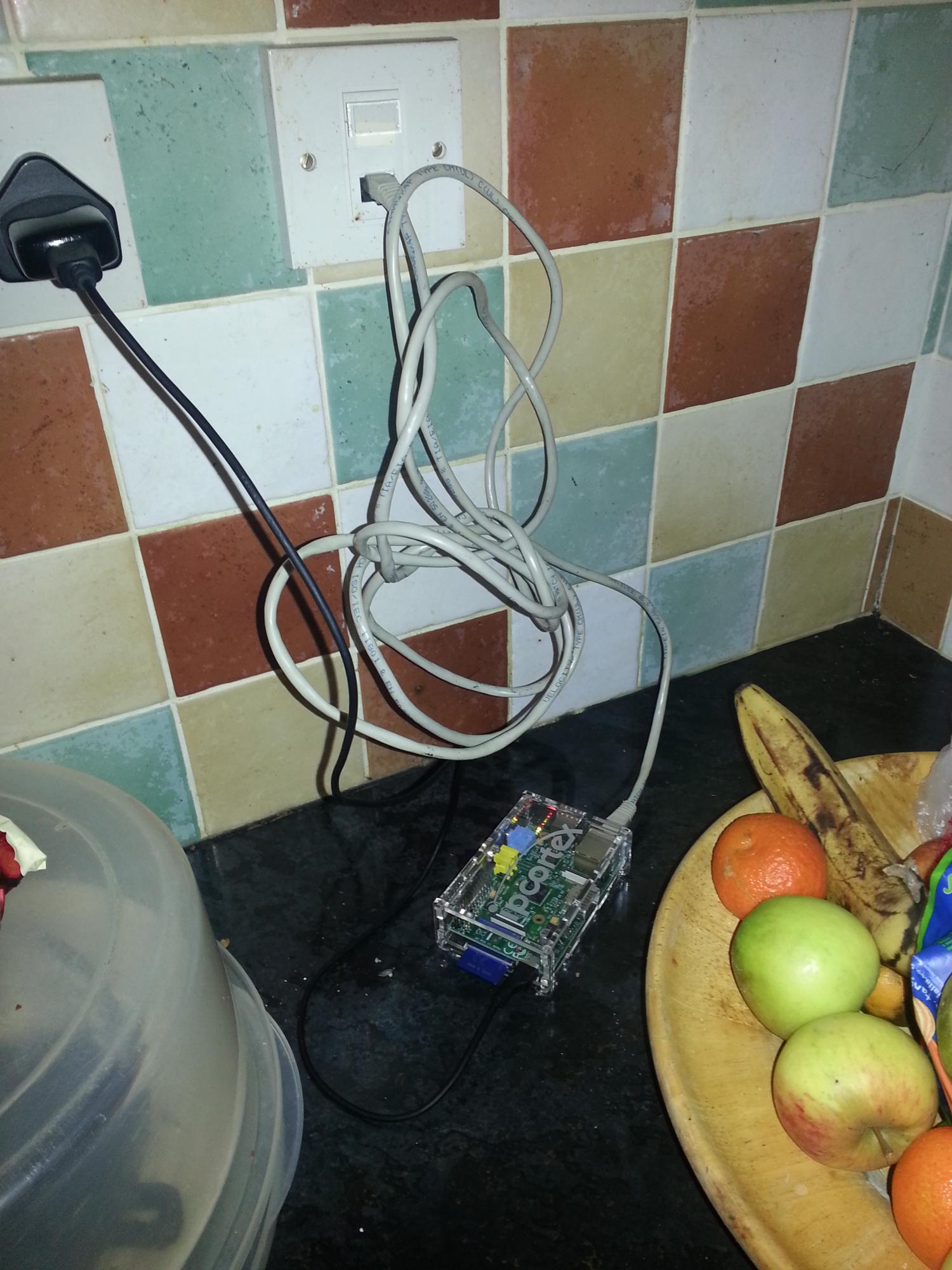
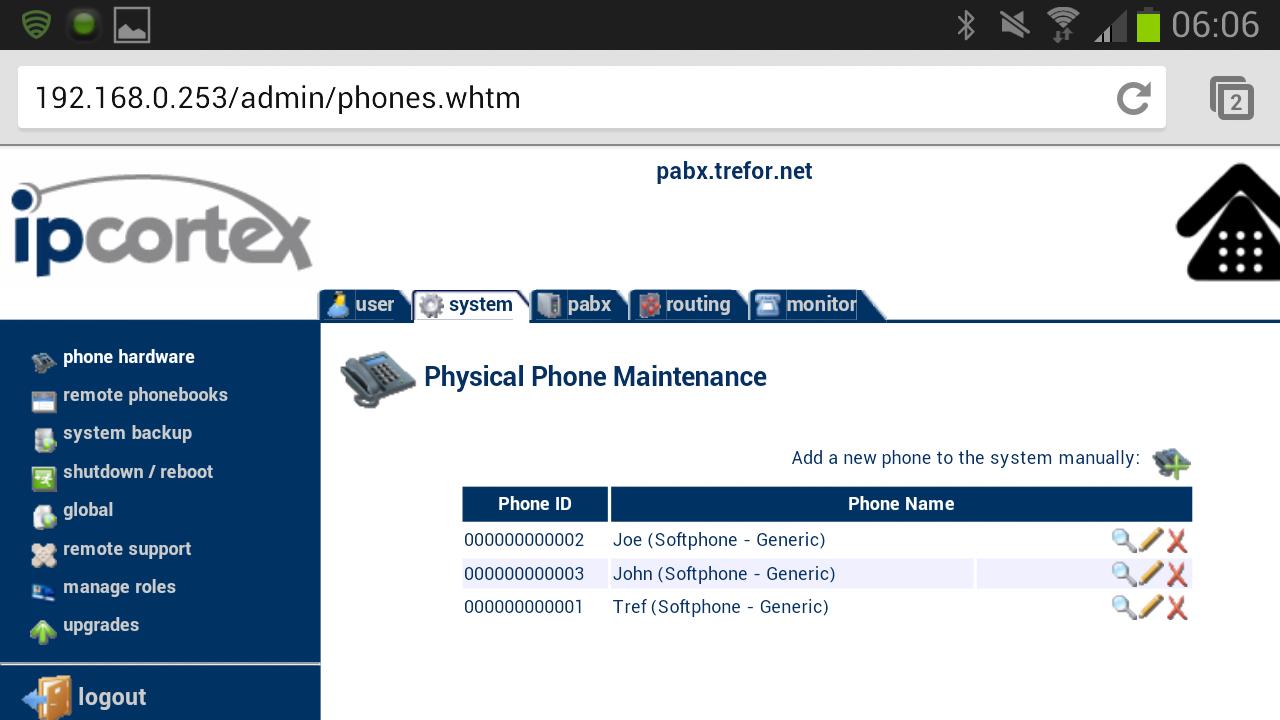
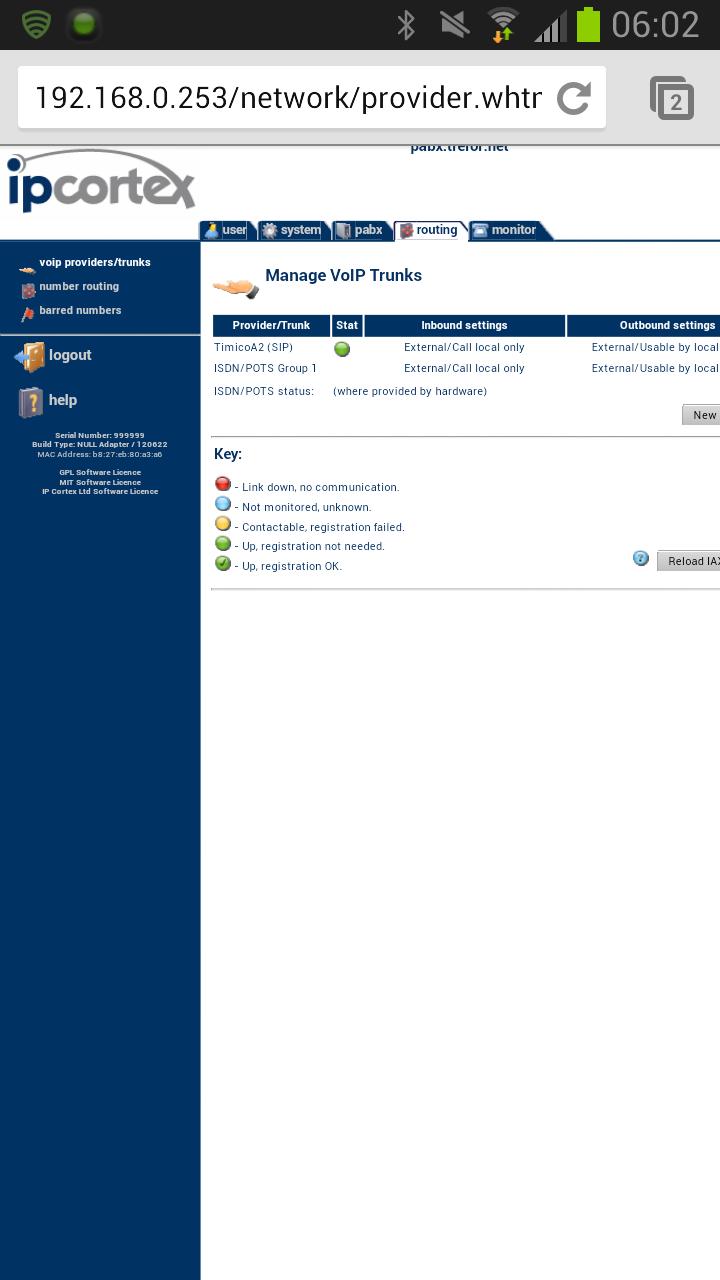
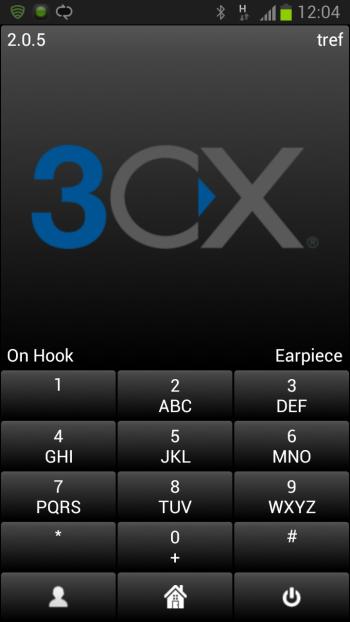 figured out its ideal set up yet. It currently assumes it is the main phone you want to use when dialing out but I have a number of clients I play with on my handset and I don’t want it to be the main one. I have to switch the 3CX off for normal operation of other phones. It might just be a question of me needing to play with the Galaxy S3 more.